
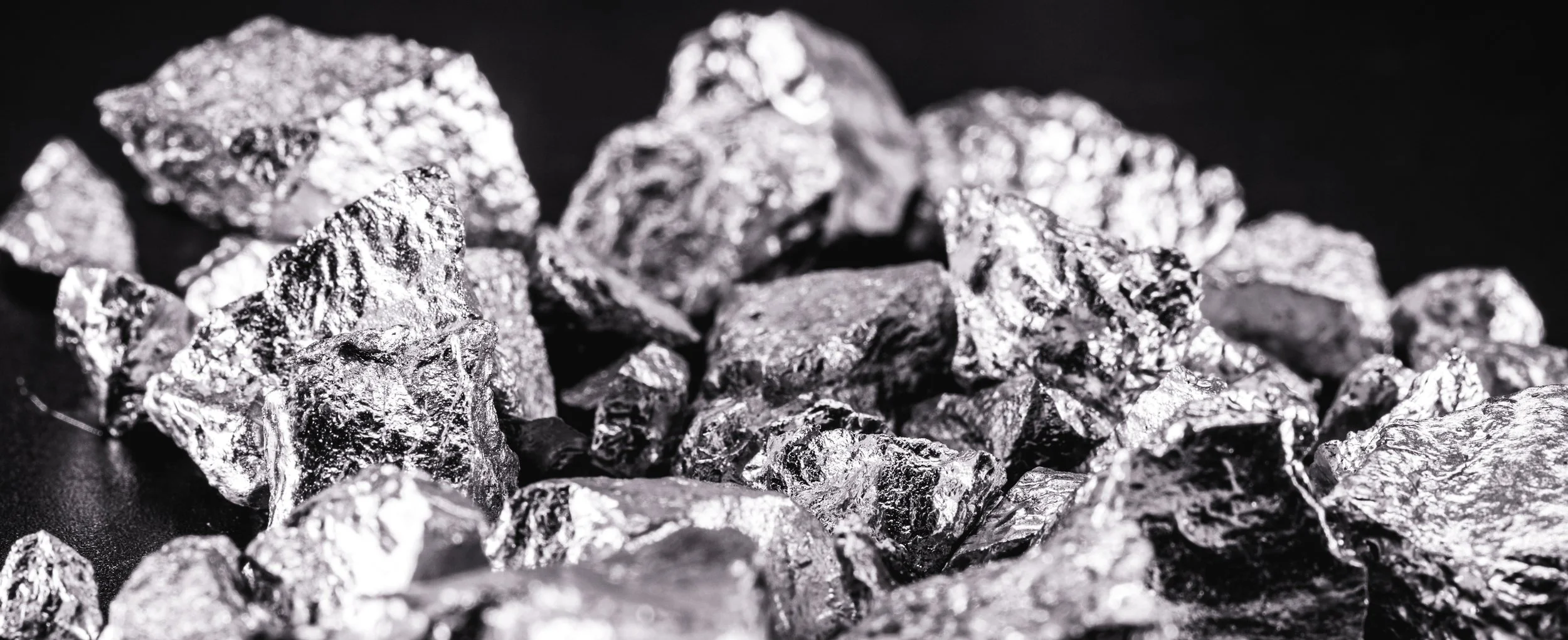
Strategic and Rare Earth Metals
Firebird Optics supplies a growing portfolio of high-purity strategic metals that support the aerospace, defense, semiconductor, infrared optics, and advanced manufacturing industries. Our inventory includes Germanium, Gallium, Indium, Tungsten, Molybdenum, Hafnium, Antimony, and Tellurium, available in a variety of forms including ingots, rods, bars, blanks, and custom-machined components. Whether you require raw material for crystal growth, semiconductor production, optical manufacturing, or research and development, our team can source standard and custom sizes with competitive lead times.
Yttrium Nugget Bars
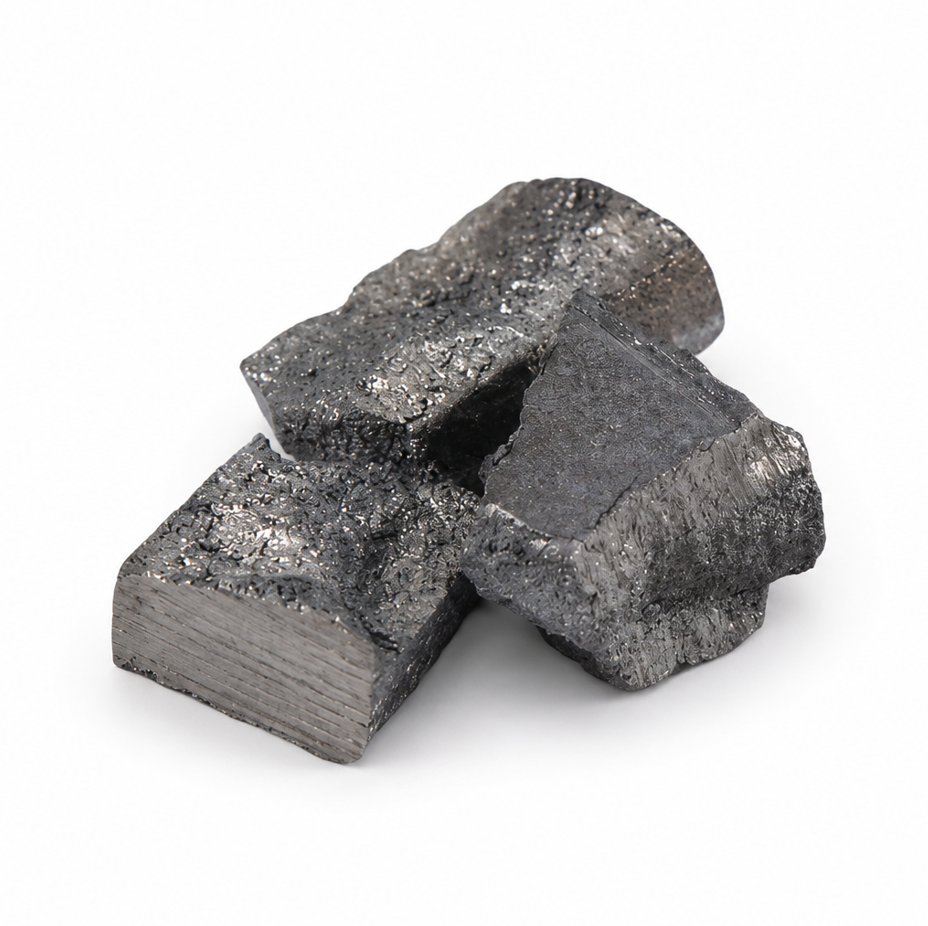
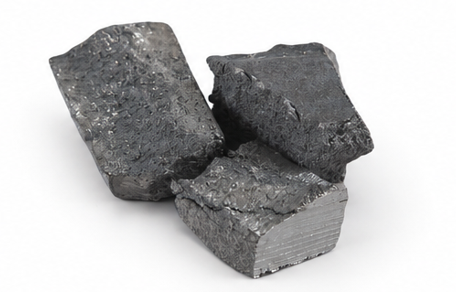
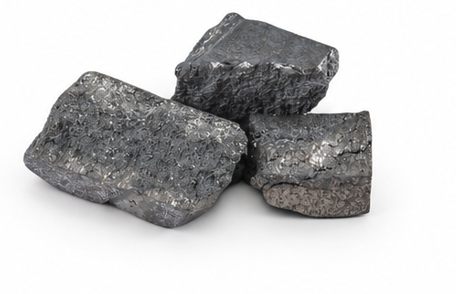
Yttrium Nugget Bars
Yttrium (Y) is a silvery-metallic rare earth element valued for its versatility across electronics, advanced ceramics and materials science applications.
Firebird Optics supplies high-purity yttrium metal for customers requiring reliable material for research, manufacturing and specialty industrial processes. Yttrium is commonly used in phosphors for LEDs and display technologies, high-temperature superconducting ceramics, and specialty alloys where it can help improve material strength and heat resistance.
We offer yttrium in a variety of weights and custom sizes to support both development and production requirements. Contact us for current availability, quantities and a custom quote.
Yttrium Nuggets: High-Purity Metal for Advanced Materials and Technology
Yttrium may be classified as a transition metal, but in practical materials science it is closely associated with the rare earth elements. This silvery metal is used across a surprisingly broad range of advanced technologies, including specialty alloys, laser systems, ceramics, electronics, permanent magnets and high-temperature applications.
Yttrium nuggets provide the element in a convenient solid form for research, alloying, material processing and other applications where powders or finished components are not required. Available in different purity levels and quantities, yttrium metal nuggets can serve as both laboratory-scale material and feedstock for larger manufacturing requirements.
What Is Yttrium?
Yttrium, chemical symbol Y, is element 39 on the periodic table and has an atomic weight of approximately 88.91. In its elemental form, yttrium has a silvery metallic appearance.
Although yttrium is often discussed alongside the rare earth metals, it is technically a Group 3 transition metal. The association makes sense from a practical standpoint because yttrium occurs naturally with lanthanides in rare earth minerals and shares characteristics with the heavier rare earth elements.
Yttrium is not typically found in nature as a free element. It must instead be extracted and refined from mineral sources before it can be converted into high-purity metallic forms such as nuggets, chunks, bars, granules, pellets and other geometries.
Yttrium Nugget Specifications
Specifications can vary according to supplier, purity and intended application. Commercial yttrium nuggets are available in purities ranging from approximately 99% to 99.999%, while 99.83% material is another commercially available grade.
Typical yttrium properties and product specifications include:
PropertySpecificationMaterialYttriumChemical symbolYAtomic number39Atomic weightApproximately 88.91CAS number7440-65-5AppearanceSilvery metallicAvailable purityApproximately 99% to 99.999%, depending on gradeCommon nugget purity99.83%DensityApproximately 4.47 g/cm³Melting pointApproximately 1,526°CBoiling pointApproximately 3,336°CYoung's modulusApproximately 63.5 GPaTensile strengthApproximately 67 MPaElectronegativity1.3 PaulingStandard chunk sizeApproximately 5 to 15 mm for some gradesAvailable formsNuggets, chunks, bars, granules, rods, pellets, powder, wire and other forms
Because yttrium is available across multiple purity levels, buyers should select material based on the requirements of the intended process rather than purity alone.
For example, general alloying or research applications may not require the same impurity controls as advanced deposition, semiconductor or optical material applications.
What Are Yttrium Nuggets Used For?
Yttrium's value comes from its ability to contribute useful properties to alloys, ceramics and compounds. This has created applications across industries ranging from metallurgy to laser technology.
Alloying Applications
Yttrium can be introduced as an alloying element into several metallic systems, including iron-chromium-aluminum, cobalt, molybdenum, nickel and zirconium alloys.
Small additions of specialized elements can significantly affect the properties of an alloy, making material purity and composition important considerations during development and manufacturing.
Nuggets provide a practical form of yttrium for melting and alloy preparation because the material is already supplied as discrete solid pieces.
Yttrium in Laser Technology
One of yttrium's most recognizable applications is laser technology.
Yttrium aluminum garnet, commonly known as YAG, is an important crystalline material used in lasers. YAG-based laser systems have become established across scientific, industrial and other technical applications.
Yttrium-iron-garnet is another important yttrium-containing material. It is associated with high-frequency technology and electronic applications.
While metallic yttrium nuggets are not themselves finished laser components, high-purity yttrium provides an important starting material for producing yttrium compounds and advanced materials used in these technologies.
Electronics and High-Frequency Applications
Yttrium compounds are also used in electronics, including applications associated with memory chips and high-frequency technology.
These applications demonstrate an important distinction when evaluating yttrium metal. The final product may not contain a recognizable piece of metallic yttrium. Instead, the metal can function as a raw material used to create specialized compounds, crystals or engineered materials with very different properties.
High-Temperature Ceramics
Yttrium's strong affinity for oxygen contributes to its importance in advanced ceramic systems.
One particularly important material is yttria-stabilized zirconia, commonly abbreviated YSZ. This ceramic material is used in high-temperature environments and can also function as an electrolyte in solid oxide fuel cells.
Yttrium-containing ceramics can also be useful when working with molten reactive metals, providing another pathway for yttrium into demanding industrial and research environments.
Permanent Magnets
Yttrium is also associated with the production of permanent magnets.
Modern permanent magnet technologies depend heavily on carefully controlled material compositions. High-purity elemental materials can therefore serve as feedstock during the preparation and development of specialized magnetic materials.
Reactor Technology
Yttrium has applications within reactor technology, adding another highly technical market for the element and its compounds.
As with many advanced materials, the exact yttrium specification required will depend on the component, process and operating environment.
Spark Plugs and Automotive Applications
Yttrium is also used in applications related to spark plugs and automotive technology.
Yttrium-containing materials are associated with applications where thermal stability and reliable performance are important. Yttrium compounds can also be found in technologies such as automotive fuel sensors.
This variety illustrates why yttrium demand extends well beyond laboratory research or conventional metallurgy.
Thin-Film Deposition and Advanced Material Processing
High-purity yttrium can be produced for applications involving Chemical Vapor Deposition (CVD) and Physical Vapor Deposition (PVD).
Related deposition technologies include thermal evaporation, electron-beam evaporation, Atomic Layer Deposition (ALD) and Metal-Organic Chemical Vapor Deposition (MOCVD).
For these types of applications, purity becomes particularly important. Contamination in the starting material can potentially affect the composition and properties of the deposited material.
Depending on the process, yttrium may therefore be specified at significantly higher purity levels than the 99.83% material commonly offered as general-purpose nuggets.
Yttrium Nuggets vs. Powder, Rods and Other Forms
Yttrium is available in many physical forms, so why choose nuggets?
Nuggets and chunks provide individual solid pieces that can be convenient for weighing, handling, research and melting applications. Some commercially available yttrium chunks are approximately 5 to 15 mm in size, although dimensions depend on the supplier and product specification.
Other forms can be selected according to the process.
Powder provides significantly greater surface area and may be better suited to applications requiring fine particle sizes, although fine metallic powders can require additional handling precautions.
Pellets and granules provide relatively consistent individual units that may be suitable for material processing and deposition.
Rods, bars and wire can be useful where a defined geometry is necessary for fabrication or processing.
Nuggets and chunks provide a flexible option when the material will ultimately be weighed, melted, alloyed or further processed.
Selecting the right physical form can simplify manufacturing and reduce unnecessary material preparation.
Yttrium Purity: What Buyers Should Consider
Not every application requires ultra-high-purity yttrium.
Commercially available yttrium chunks span a substantial purity range, including approximately 99%, 99.9%, 99.99% and 99.999% grades. Yttrium nuggets with a specified purity of 99.83% are also commercially available.
The correct specification depends on what happens to the material next.
For alloying and general materials research, a commercially pure grade may provide the required performance. More sensitive deposition, electronic, optical or research applications may require significantly tighter control over impurities.
Buyers should therefore consider:
Required yttrium purity
Acceptable impurity concentrations
Nugget or chunk dimensions
Total required weight
Intended processing method
Packaging requirements
Required material certification
Whether custom sizes or forms are necessary
Defining these requirements before purchasing can help avoid paying for purity or processing that the application does not require.
Handling Yttrium Metal
The physical form of yttrium matters when considering handling requirements.
Solid yttrium metal is considerably different from finely divided yttrium powder. Powdered yttrium can be pyrophoric, which makes appropriate storage and handling particularly important.
Yttrium can also react with hot water and acids with the evolution of hydrogen. As with any specialty metal, users should review the appropriate Safety Data Sheet and establish handling, storage and processing procedures for the specific form and quantity being used.
Sensitive or high-purity materials may also be packaged under controlled conditions such as argon or vacuum when appropriate.
Why Yttrium Matters
Yttrium is an excellent example of how an element that receives relatively little attention outside materials science can play an important role in advanced technologies.
It can be introduced into alloys, transformed into high-performance ceramics, incorporated into laser materials and used in electronic, magnetic and high-temperature technologies.
Its usefulness also extends across different stages of manufacturing. Yttrium metal can function as a research material, an alloying addition, a precursor for compounds or feedstock for more specialized products.
That versatility makes purity, form and quantity important considerations when purchasing yttrium.
Yttrium Nuggets from Firebird Optics
Yttrium nuggets provide a practical source of elemental yttrium for alloying, research, materials development and specialty manufacturing applications. With its use in laser technology, high-temperature ceramics, electronics, permanent magnets and advanced alloys, yttrium continues to be an important material across a wide range of technical industries.
Firebird Optics supplies specialty materials for customers with demanding research and manufacturing requirements. If you're looking for yttrium nuggets, high-purity yttrium metal or a particular quantity or specification, contact Firebird Optics to discuss availability and request a quote.