
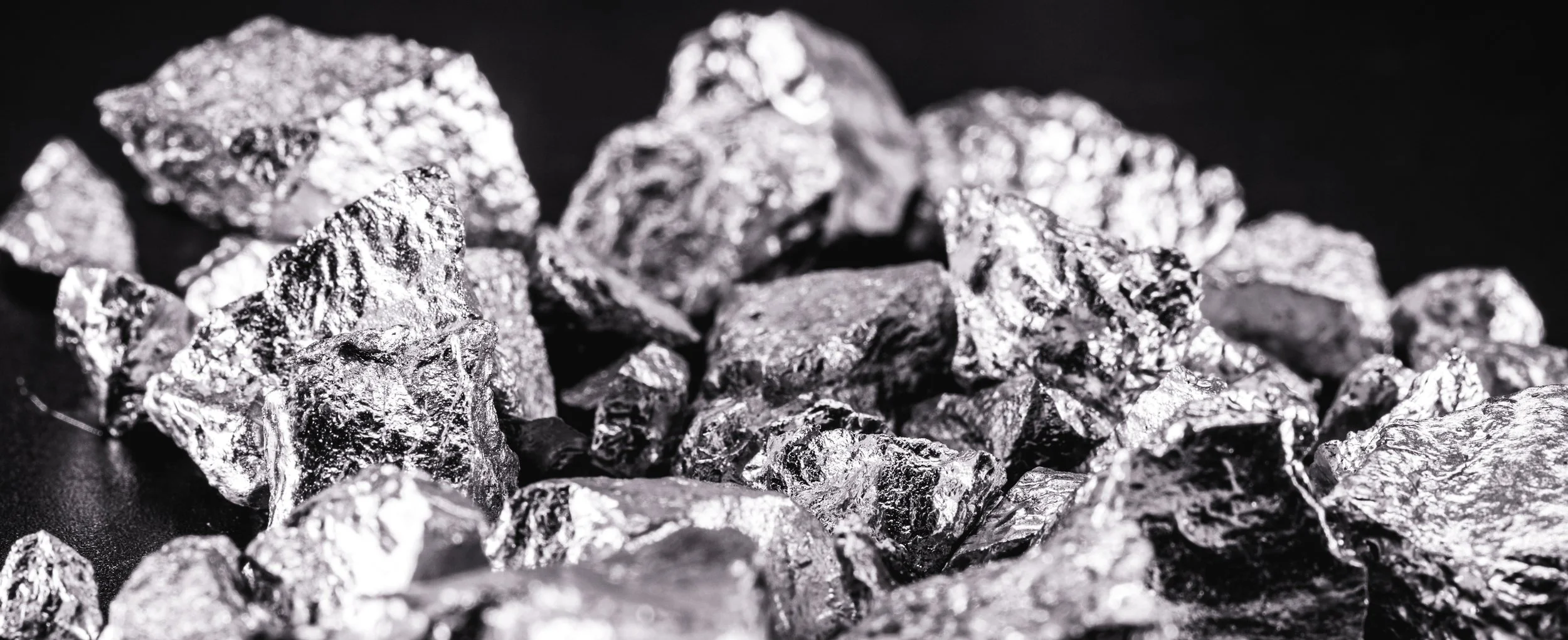
Strategic and Rare Earth Metals
Firebird Optics supplies a growing portfolio of high-purity strategic metals that support the aerospace, defense, semiconductor, infrared optics, and advanced manufacturing industries. Our inventory includes Germanium, Gallium, Indium, Tungsten, Molybdenum, Hafnium, Antimony, and Tellurium, available in a variety of forms including ingots, rods, bars, blanks, and custom-machined components. Whether you require raw material for crystal growth, semiconductor production, optical manufacturing, or research and development, our team can source standard and custom sizes with competitive lead times.
Vanadium Metal Bars
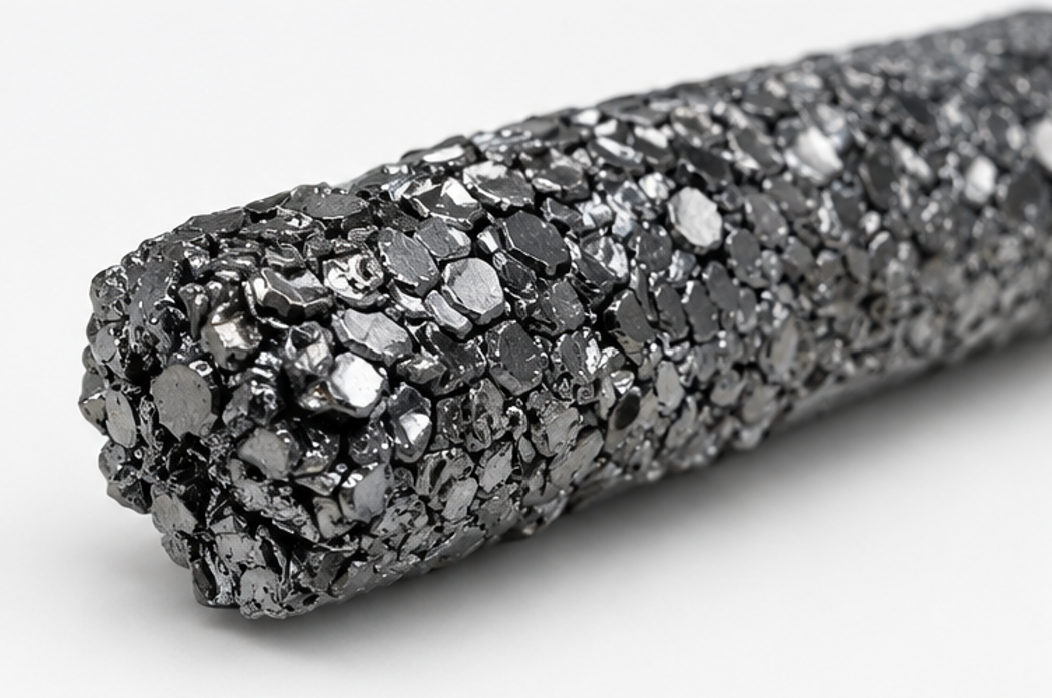
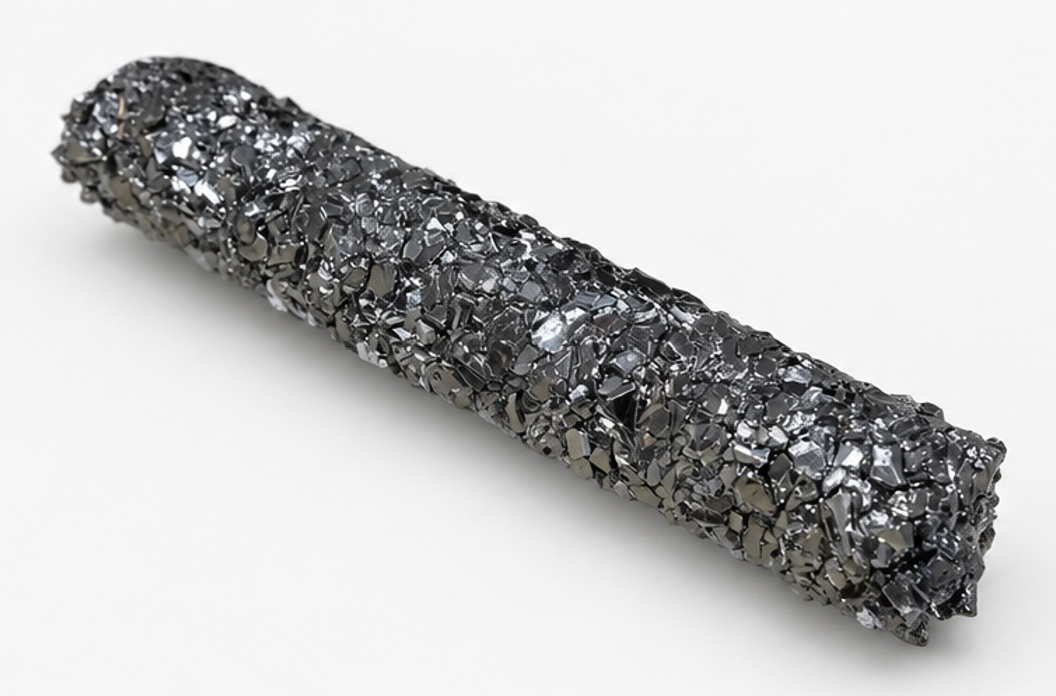
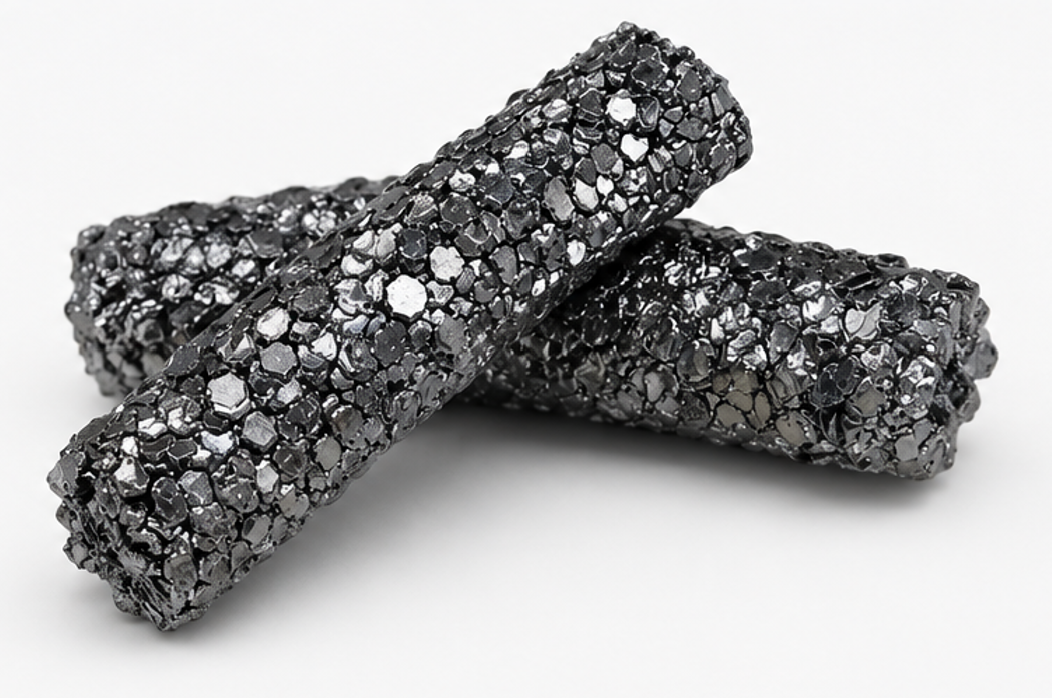
Vanadium Metal Bars
Firebird Optics Vanadium Bars provide 99.9% pure elemental vanadium (V), atomic number 23, in a solid metal bar or nugget format for industrial, scientific, research, and specialty material applications.
Vanadium is a versatile transition metal valued for applications where high-purity elemental material is required, particularly in metallurgy, alloy development, materials research, and laboratory experimentation. These vanadium metal bars provide a convenient solid form for handling, processing, and incorporating vanadium into specialized projects.
Available in selectable weights, Firebird Optics Vanadium Bars offer a dependable source of 99.9% pure vanadium metal for customers ranging from research facilities to industrial material users.
Vanadium: Properties, Applications and Uses
Vanadium is a versatile transition metal valued across metallurgy, aerospace, energy, semiconductor manufacturing, research, and advanced materials processing. Identified by the chemical symbol V and atomic number 23, vanadium combines high-temperature capability with useful mechanical and corrosion-resistant characteristics.
Firebird Optics offers 99.9% pure Vanadium Bars for customers requiring elemental vanadium for industrial, scientific, research, and specialty material applications.
What Is Vanadium?
Vanadium is a metallic element that is not typically found as a free metal in nature. Once isolated, vanadium develops a protective oxide film on its surface. This oxide layer helps protect the underlying metal against further oxidation and contributes to pure vanadium's corrosion resistance.
Pure vanadium is resistant to attack in a variety of environments, although concentrated acids can attack the metal. This combination of chemical stability and useful material properties has helped establish vanadium as an important material for metallurgy and advanced industrial processes.
Vanadium Properties
Vanadium is a gray to silvery transition metal with properties that make it useful both as a pure material and as an alloying element.
PropertySpecificationElementVanadiumChemical SymbolVAtomic Number23Product Purity99.9%Product FormBar / NuggetDensityApprox. 6.1 g/cm³Melting PointApprox. 1,910°CBoiling PointApprox. 3,407°CAppearanceSilvery-gray metal
One of vanadium's most useful characteristics is its high melting point. At approximately 1,910°C, vanadium can support applications involving elevated temperatures and demanding material-processing environments.
Its surface oxide layer also provides a degree of protection against continued oxidation. Together, these characteristics make vanadium valuable in applications ranging from metallurgy to thin-film deposition.
Why Is Vanadium Used in Alloys?
One of the most important uses of vanadium is as an alloying element. Vanadium can be incorporated into other metals to modify their mechanical and performance characteristics.
This makes vanadium particularly relevant to metallurgy and applications where strength, durability, and performance under demanding conditions are important. Vanadium-containing materials are consequently associated with industries such as aerospace, industrial manufacturing, and other high-performance engineering fields.
For researchers and manufacturers developing new alloys, high-purity vanadium also provides a controlled source of elemental material for experimentation and material development.
Vanadium Applications
Vanadium's properties support an unusually broad range of technical applications. Beyond conventional metallurgy, high-purity vanadium is used in advanced manufacturing processes where material composition and deposition control are critical.
Common applications include:
Metallurgy and alloy development
Aerospace materials
Fuel cell technology
Solar energy
Semiconductor manufacturing
Sputtering targets
Thin-film deposition
Laboratory and materials research
Chemical vapor deposition (CVD)
Physical vapor deposition (PVD)
Electron beam evaporation
Thermal evaporation
Atomic layer deposition (ALD)
Metal-organic chemical vapor deposition (MOCVD)
These applications make vanadium relevant to both traditional metalworking industries and emerging technologies requiring tightly controlled material properties.
Vanadium in Metallurgy
Metallurgy remains one of the major industrial areas associated with vanadium. Rather than always being used as a standalone structural material, vanadium can serve as an alloying component in the development of specialized metals.
Its role in metallurgy makes high-purity vanadium particularly useful for alloy research, experimental material formulations, and specialized manufacturing. Researchers can introduce controlled quantities of vanadium into a material system to investigate how the resulting alloy performs.
Vanadium in Aerospace Applications
Aerospace applications demand materials capable of performing under challenging mechanical and thermal conditions. Vanadium's role in advanced metallurgy makes it relevant to the development and production of materials intended for these demanding environments.
Vanadium is particularly notable in titanium metallurgy. Vanadium-containing titanium alloys have become important engineering materials where a balance of strength and weight is required.
For material scientists and aerospace researchers, elemental vanadium provides a starting material for developing, testing, and refining these specialized alloys.
Vanadium for Thin-Film Deposition
Vanadium also has applications far removed from conventional metal bars and structural alloys.
High-purity vanadium can be used as a source material for thin-film deposition on metal and glass substrates. Deposition processes allow extremely thin layers of material to be applied to another surface, enabling engineers to modify or develop specific material characteristics.
Vanadium is used in processes including PVD, CVD, ALD, MOCVD, thermal evaporation, and electron beam evaporation.
These capabilities make vanadium relevant to semiconductor research, coatings, electronics, and other advanced material technologies.
Vanadium in Semiconductor Manufacturing
Semiconductor fabrication depends on carefully controlled materials and deposition techniques. Vanadium can be used in semiconductor-related applications as both a source material and in processes designed to create thin films.
Techniques such as physical vapor deposition and chemical vapor deposition allow materials to be deposited onto substrates under highly controlled conditions.
For research and production environments working with new semiconductor structures or coatings, high-purity vanadium provides a useful elemental material for experimentation and process development.
Vanadium in Energy Technology
Vanadium also plays a role in emerging energy applications.
The material is associated with fuel cells and solar energy technologies, expanding its relevance beyond conventional metallurgy. Its use in these fields reflects the growing importance of specialized metals in developing new approaches to energy generation, conversion, and storage.
This combination of traditional and emerging applications makes vanadium an increasingly versatile material for research institutions and industrial users alike.
Vanadium for Laboratory and Materials Research
High-purity vanadium bars provide researchers with a practical source of elemental vanadium for experimental work.
Potential research areas include:
Alloy development
Materials characterization
Surface science
Thin-film research
Deposition experiments
Semiconductor development
High-temperature material studies
Energy technology research
Using vanadium in solid bar or nugget form also provides a convenient format for storage, handling, weighing, and subsequent material processing.
99.9% Pure Vanadium Bars from Firebird Optics
Firebird Optics Vanadium Bars provide 99.9% pure elemental vanadium for customers requiring a high-purity source of element 23.
Available in solid bar or nugget form, vanadium can serve as a starting material for metallurgy, alloy development, laboratory research, semiconductor processes, thin-film deposition, and other specialized industrial applications.
Whether you're developing advanced materials, conducting laboratory research, or sourcing elemental metals for production, Firebird Optics provides vanadium for demanding scientific and industrial projects.
Contact Firebird Optics for additional information on Vanadium Bars, available quantities, or assistance sourcing materials for your application.