
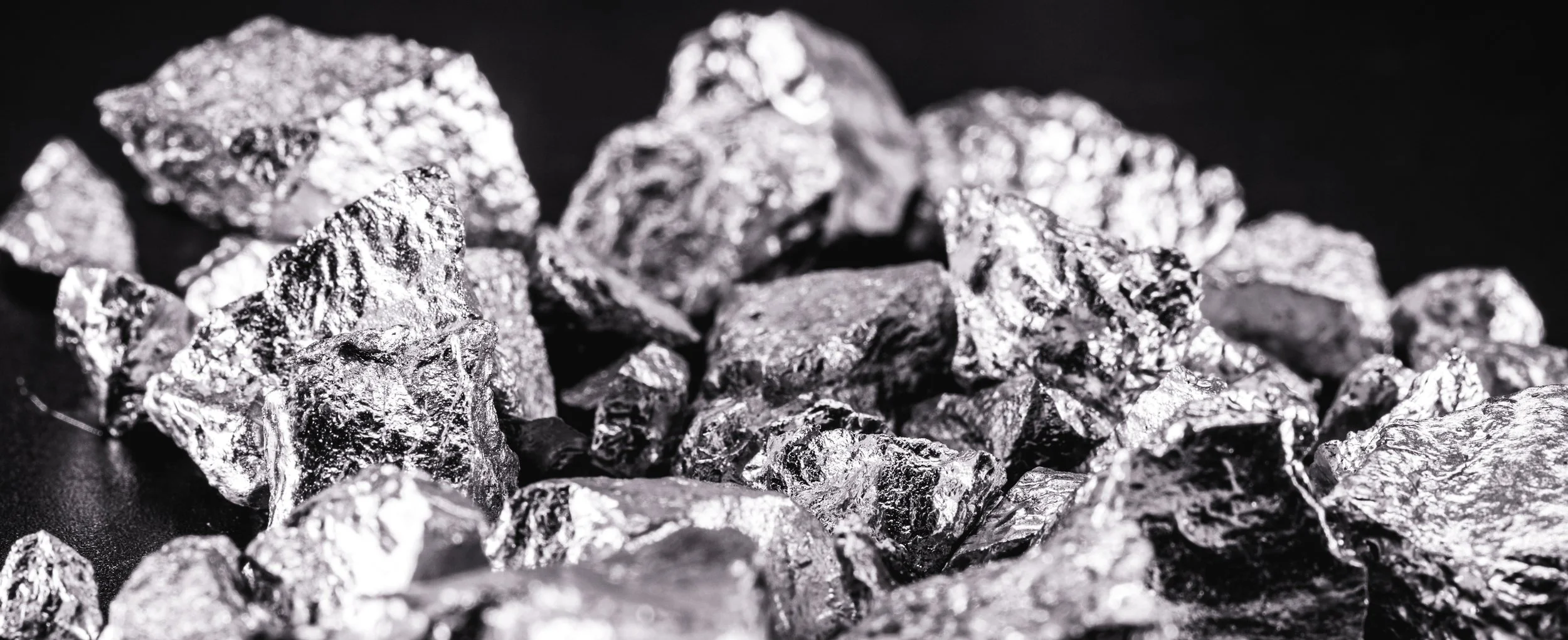
Strategic and Rare Earth Metals
Firebird Optics supplies a growing portfolio of high-purity strategic metals that support the aerospace, defense, semiconductor, infrared optics, and advanced manufacturing industries. Our inventory includes Germanium, Gallium, Indium, Tungsten, Molybdenum, Hafnium, Antimony, and Tellurium, available in a variety of forms including ingots, rods, bars, blanks, and custom-machined components. Whether you require raw material for crystal growth, semiconductor production, optical manufacturing, or research and development, our team can source standard and custom sizes with competitive lead times.
Terbium Metal Nuggets
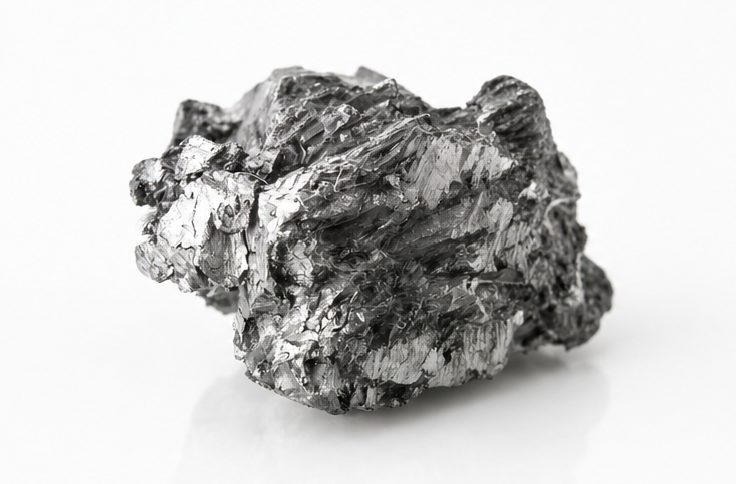
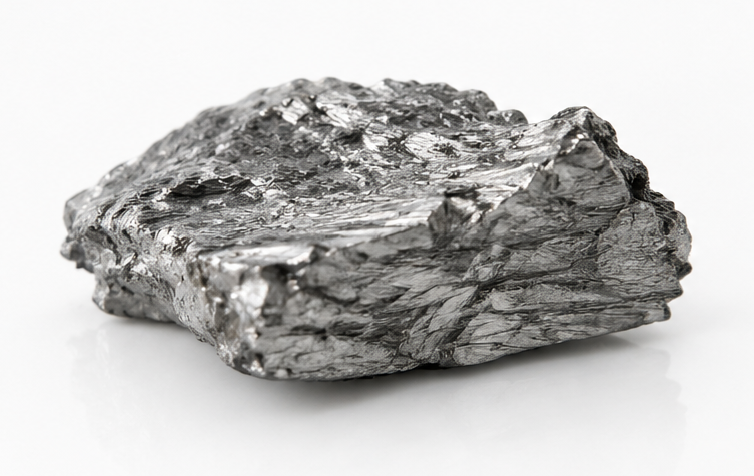
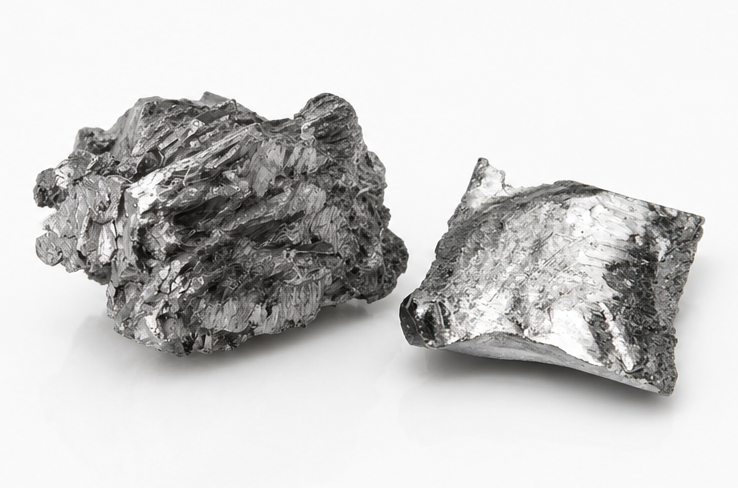
Terbium Metal Nuggets
Firebird Optics Terbium Metal Nuggets provide 99.9% pure elemental terbium (Tb), atomic number 65, in a convenient solid form for scientific, industrial, research, and specialty material applications.
Terbium is a rare earth metal known for its silvery appearance, malleability, ductility, ferromagnetic properties, and good resistance to corrosion. With a density of approximately 8.25 g/cm³, melting point of 1,365°C, and thermal conductivity of 11 W/(m·K), terbium offers useful properties for advanced material applications.
Common uses include solid-state devices, magnetic components, material testing technology, fuel-cell materials, and specialized metallic films. Firebird Optics Terbium Metal Nuggets offer a high-purity source of element 65 for laboratories, research facilities, manufacturers, and other customers working with rare earth metals.
Terbium Metal: Properties, Applications and Uses
Terbium is a rare earth metal with a distinctive combination of magnetic, mechanical, and thermal properties that makes it valuable for specialized scientific and industrial applications. Identified by the chemical symbol Tb and atomic number 65, terbium is used in applications ranging from solid-state devices and magnetic systems to fuel-cell materials and magneto-optical technologies.
Firebird Optics offers 99.9% pure Terbium Metal Nuggets, providing a convenient source of elemental terbium for research, materials development, and specialty industrial applications.
What Is Terbium Metal?
Terbium is a silvery rare earth metal known for being relatively soft, malleable, and ductile. It can be cut with a knife and has an appearance somewhat similar to lead, although terbium is considerably heavier.
Terbium is also one of the rarer rare earth elements found in the Earth's crust. Its scarcity, combined with its ferromagnetic behavior and other useful material characteristics, makes elemental terbium valuable for highly specialized applications rather than conventional structural uses.
Properties of Terbium
Terbium combines a relatively high density with good malleability, ductility, corrosion resistance, and ferromagnetic behavior. It remains fairly stable when exposed to air, although it oxidizes slowly and can react with cold water.
These physical and mechanical properties help explain why terbium has found a place in magnetic components, advanced materials, and specialized electronic technologies.
Magnetic Properties of Terbium
One of the defining characteristics of terbium is its ferromagnetic behavior.
Ferromagnetic materials can exhibit strong magnetic responses, making terbium particularly interesting for applications where magnetic performance is an important design consideration. The source material specifically identifies pole shoes for magnetic lenses as one of terbium's applications.
This magnetic behavior also contributes to terbium's usefulness in specialized materials and magneto-optical technologies.
Terbium in Solid-State Devices
Solid-state devices are identified as one of the primary applications for terbium metal.
Modern solid-state technologies depend on carefully selected materials with specific electrical, magnetic, optical, or mechanical characteristics. Terbium's combination of rare earth chemistry and ferromagnetic properties makes it useful in specialized device manufacturing and materials research.
For laboratories and manufacturers developing these technologies, high-purity terbium metal provides a practical starting material for research and material processing.
Terbium in Fuel Cell Technology
Another important application for terbium involves fuel cells.
When terbium is alloyed with zirconium oxide (ZrO₂), the resulting material can be used as a crystal stabilizer for fuel-cell applications. This represents an important example of how terbium can be incorporated into another material to produce properties useful for advanced energy technologies.
Rather than functioning only as a standalone metal, terbium can therefore serve as a component in engineered material systems designed for specific technical requirements.
Terbium in Magneto-Optical Data Recording
Terbium can also be alloyed with other metals to produce metallic films for magneto-optical data recording.
Magneto-optical technologies take advantage of interactions between magnetic materials and light. Terbium's ferromagnetic characteristics make it relevant to these specialized material systems.
This application demonstrates how a relatively uncommon rare earth metal can play an important role in highly technical systems where conventional metals may not provide the required magnetic characteristics.
Terbium in Magnetic Lenses
Terbium is also used in pole shoes for magnetic lenses.
Magnetic lenses use magnetic fields rather than conventional glass optics to influence charged particles. Materials selected for components within these systems need appropriate magnetic characteristics, making terbium's ferromagnetic properties particularly relevant.
This application places terbium within a specialized category of scientific and technical equipment where magnetic material performance is critical.
Terbium in Material Testing Technology
The source material also identifies material testing technology as a primary application for terbium.
Material testing covers processes used to study and evaluate how materials perform under specific conditions. High-purity elemental terbium can provide researchers and technical users with a controlled source material when investigating rare earth metals, magnetic behavior, alloys, and related material systems.
Additional Applications of Terbium
Terbium's applications extend across several specialized industries and research areas. According to the source material, key uses include:
Solid-state devices
Pole shoes for magnetic lenses
Material testing technology
Crystal stabilization in fuel-cell materials
Energy-efficient lighting
Metallic films for magneto-optical data recording
These applications highlight terbium's value as a functional rare earth material rather than a general-purpose metal.
Why Use High-Purity Terbium Metal?
When working with rare earth metals in research and advanced material applications, controlling the composition of the starting material can be important.
Firebird Optics Terbium Metal Nuggets feature 99.9% purity, giving laboratories, manufacturers, and researchers access to a high-purity source of elemental terbium.
The nugget format also provides a practical solid form for handling, weighing, storage, materials research, and subsequent processing.
99.9% Terbium Metal Nuggets from Firebird Optics
Firebird Optics Terbium Metal Nuggets provide 99.9% pure Tb, element 65, for customers working with rare earth metals and advanced materials.
With a density of 8.25 g/cm³, melting point of 1,365°C, thermal conductivity of 11 W/(m·K), and ferromagnetic properties, terbium offers a distinctive combination of characteristics for specialized scientific and industrial applications.
Whether you're sourcing terbium for materials research, magnetic components, solid-state devices, fuel-cell development, or specialty material processing, Firebird Optics provides high-purity Terbium Metal Nuggets for demanding technical applications.
Contact Firebird Optics for additional information on Terbium Metal Nuggets, available quantities, or assistance sourcing rare earth materials for your application.