
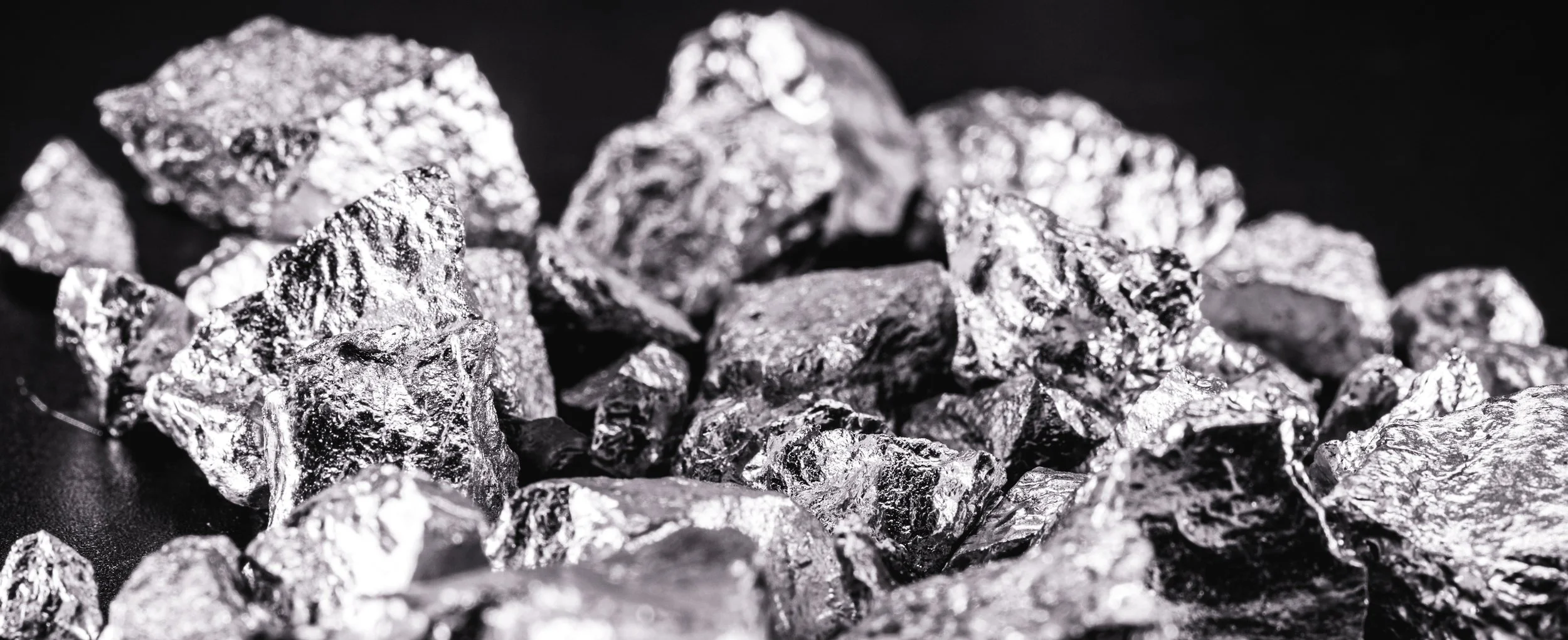
Strategic and Rare Earth Metals
Firebird Optics supplies a growing portfolio of high-purity strategic metals that support the aerospace, defense, semiconductor, infrared optics, and advanced manufacturing industries. Our inventory includes Germanium, Gallium, Indium, Tungsten, Molybdenum, Hafnium, Antimony, and Tellurium, available in a variety of forms including ingots, rods, bars, blanks, and custom-machined components. Whether you require raw material for crystal growth, semiconductor production, optical manufacturing, or research and development, our team can source standard and custom sizes with competitive lead times.
Rhenium Metal
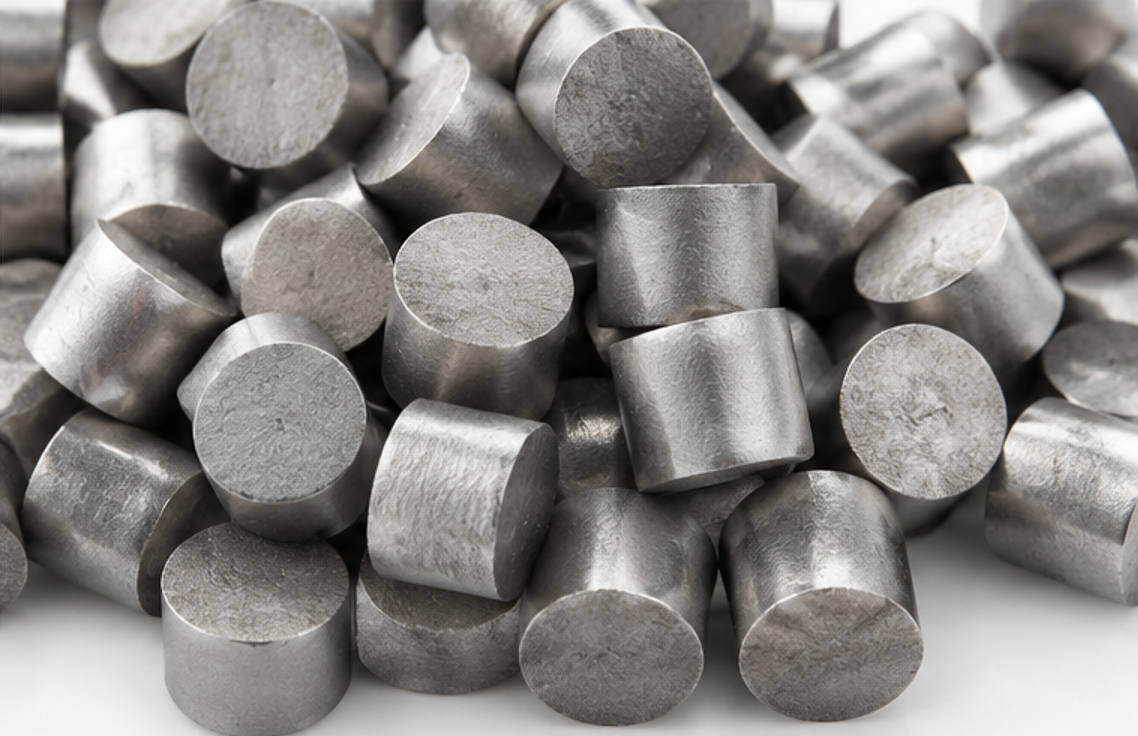
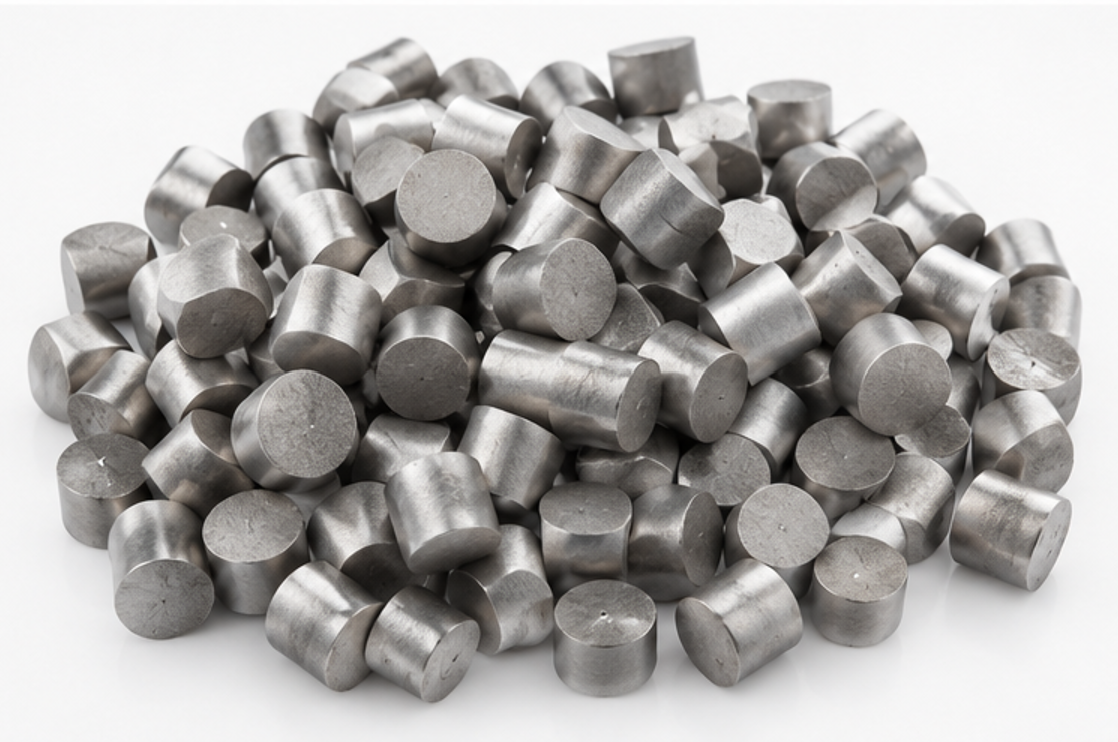
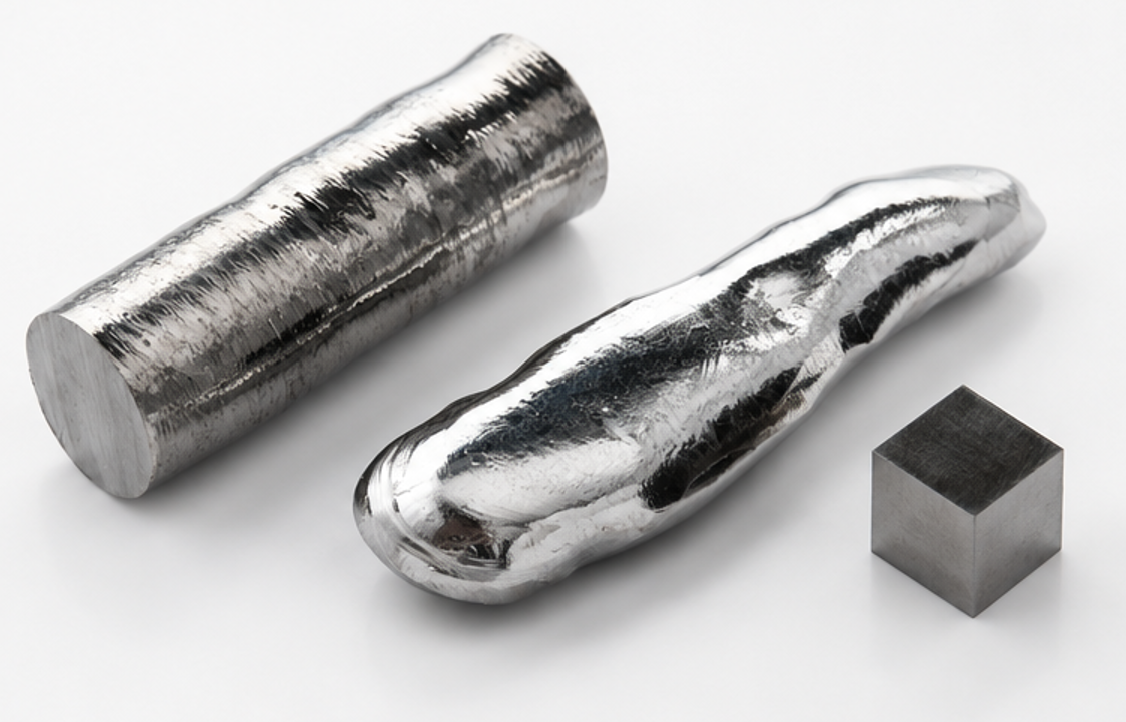
Rhenium Metal
Firebird Optics Rhenium Metal provides 99.98% pure elemental rhenium (Re), atomic number 75, for advanced industrial, scientific, aerospace, and materials research applications.
Rhenium is a dense, silvery refractory metal distinguished by its exceptional performance at elevated temperatures, with a density of approximately 21.02 g/cm³ and a melting point around 3,180°C. Its combination of high-temperature stability, electrical conductivity, oxidation resistance, and mechanical properties makes rhenium particularly valuable for high-temperature superalloys, aerospace and jet engine components, catalysts, thermocouples, electrical components, and specialized materials research. Rhenium is especially important as an alloying element, where it can enhance the performance of materials intended for extreme operating environments.
Firebird Optics offers a high-purity source of element 75 for customers requiring a specialized refractory metal for demanding research and industrial applications.
Rhenium Metal: Properties, Applications and Uses
Rhenium is a rare refractory metal valued for its exceptional performance in extreme-temperature environments. Identified by the chemical symbol Re and atomic number 75, rhenium combines an exceptionally high melting point with high-temperature stability, electrical conductivity, corrosion resistance, and useful mechanical properties.
These characteristics have made rhenium an important specialty material for aerospace, superalloys, electronics, catalysts, thermocouples, metallurgy, and advanced materials research. Firebird Optics offers 99.98% pure Rhenium Metal, providing a high-purity source of element 75 for demanding scientific and industrial applications.
What Is Rhenium Metal?
Rhenium is a dense, silvery metal belonging to the refractory metals, a group of metals known for their ability to withstand extremely high temperatures. Its chemical symbol is Re, its atomic number is 75, and its atomic weight is approximately 186.21.
What really separates rhenium from most other metals is its temperature capability. Rhenium has a melting point of approximately 3,180 to 3,186°C, placing it among the highest-melting elements. This characteristic makes it particularly useful when conventional metals begin reaching their thermal limits.
Rhenium is also extremely dense. At approximately 21.0 g/cm³, it is considerably denser than many familiar engineering metals.
Properties of Rhenium
The combination of thermal, mechanical, and electrical properties found in rhenium helps explain why such a rare material continues to find applications in highly specialized industries.
Rhenium also exhibits useful electrical conductivity and can retain structural stability at elevated temperatures. Its combination of temperature resistance and material stability makes it particularly attractive for applications where components must continue performing under intense thermal conditions.
Why Is Rhenium's High Melting Point Important?
Rhenium's extremely high melting point is one of its defining characteristics.
At approximately 3,180°C, rhenium can remain structurally stable at temperatures that would severely weaken or melt many conventional metals. This gives engineers another option when developing components and alloys for extreme operating environments.
High-temperature capability is particularly valuable in aerospace engines, industrial equipment, high-temperature alloys, and specialized heating or electrical components.
Rather than always being used as a standalone metal, rhenium is frequently added to other metals to improve the resulting material's performance.
Rhenium in Superalloys
One of the most important applications for rhenium is the production of high-temperature superalloys.
Rhenium can be added to other metals to enhance mechanical properties and wear resistance. These specialized alloys are particularly valuable when components need to maintain their strength and stability under demanding thermal and mechanical conditions.
This makes rhenium especially important to the aerospace industry, where material performance at elevated temperatures can be critical.
Rhenium in Aerospace and Aviation
Aerospace is one of the industries most closely associated with rhenium.
Rhenium-containing superalloys can be used to manufacture components for aircraft engines and other high-temperature aerospace equipment. The material's thermal stability helps engineered alloys withstand the demanding conditions associated with high-performance aviation systems.
In these applications, rhenium serves primarily as a performance-enhancing alloying element. Adding carefully controlled amounts of rhenium to an alloy can help engineers develop materials intended for environments where extreme heat and mechanical stress occur simultaneously.
Rhenium as a Catalyst
Rhenium is also used in the production of catalysts.
Its electrochemical properties make it useful in catalyst systems designed to support chemical reactions. Applications include petroleum processing and chemical synthesis, where catalysts are used to facilitate reactions without being consumed in the same manner as conventional reactants.
This application demonstrates the versatility of rhenium. The same element used to improve high-temperature aerospace alloys can also provide valuable chemical properties in industrial processing.
Rhenium in Electronics
Rhenium's electrical conductivity and thermal stability also make it useful in specialized electronic applications.
The material can be used in the production of resistors, thermocouples, and other electrical components where performance under demanding temperature conditions is required.
For electronic and electrical systems operating in high-temperature environments, material selection becomes particularly important. A metal must not only conduct electricity but also maintain useful physical properties as operating temperatures increase.
Rhenium's combination of conductivity and temperature resistance makes it well suited to these specialized applications.
Rhenium in Thermocouples
Thermocouples are temperature-sensing devices that rely on the electrical behavior of different conductive materials. Because rhenium can withstand extremely high temperatures, it has applications in thermocouple systems intended for demanding temperature measurement.
In these environments, conventional materials may experience degradation or become unsuitable as temperatures rise. Rhenium's high melting point and thermal stability allow it to support temperature-sensing applications in ranges where more common metals may struggle.
Rhenium for Metallurgy and Alloy Development
Rhenium is an important material for metallurgical research and specialty alloy production.
Adding rhenium to other metals can modify the mechanical and thermal properties of the resulting alloy. This makes high-purity rhenium particularly useful to researchers investigating new material combinations for high-temperature, high-strength, or wear-resistant applications.
For research laboratories, universities, and industrial material developers, elemental rhenium provides a controlled starting material for alloy formulation, testing, and characterization.
Rhenium for Scientific and Materials Research
Rhenium's unusual combination of density, temperature resistance, conductivity, and mechanical properties also makes it an interesting material for scientific research.
High-purity rhenium can support investigations involving refractory metals, high-temperature materials, electrical properties, alloy development, catalysts, and advanced material systems.
The ability to begin with high-purity elemental material is particularly useful when researchers need to control composition and reduce unwanted variables within an experiment or material formulation.
Rhenium Applications
Rhenium is not a general-purpose metal. Its value lies in applications where its specialized properties can justify the use of a relatively rare material. Important areas include:
Aerospace and aviation components
High-temperature superalloys
Aircraft engine materials
Metallurgy and alloy development
Catalysts
Petroleum processing
Chemical synthesis
Resistors and electronic components
Thermocouples
High-temperature industrial equipment
Laboratory research
Advanced materials development
Across these applications, the common theme is performance under conditions where more conventional materials may reach their practical limitations.
Why Use High-Purity Rhenium Metal?
Purity can be especially important when working with rhenium for materials research, alloy development, or specialized industrial processes.
Firebird Optics Rhenium Metal is 99.98% pure, providing a concentrated source of elemental Re for applications where controlling material composition is important.
High-purity material is particularly useful for experimental alloys, research programs, specialty manufacturing, and other applications where introducing unnecessary metallic contaminants could affect the properties of the finished material.
99.98% Rhenium Metal from Firebird Optics
Firebird Optics Rhenium Metal provides 99.98% pure Re, element 75, for scientific, industrial, aerospace, metallurgical, and research applications.
With an exceptionally high melting point of approximately 3,180°C, density around 21.0 g/cm³, useful electrical conductivity, and excellent performance at elevated temperatures, rhenium occupies a specialized position among advanced engineering metals.
Whether you're sourcing rhenium for superalloy development, aerospace materials, catalysts, thermocouples, electronics, metallurgy, or laboratory research, Firebird Optics provides high-purity Rhenium Metal for demanding technical applications.
Contact Firebird Optics for additional information on Rhenium Metal, available quantities, or assistance sourcing specialty metals for your application.