
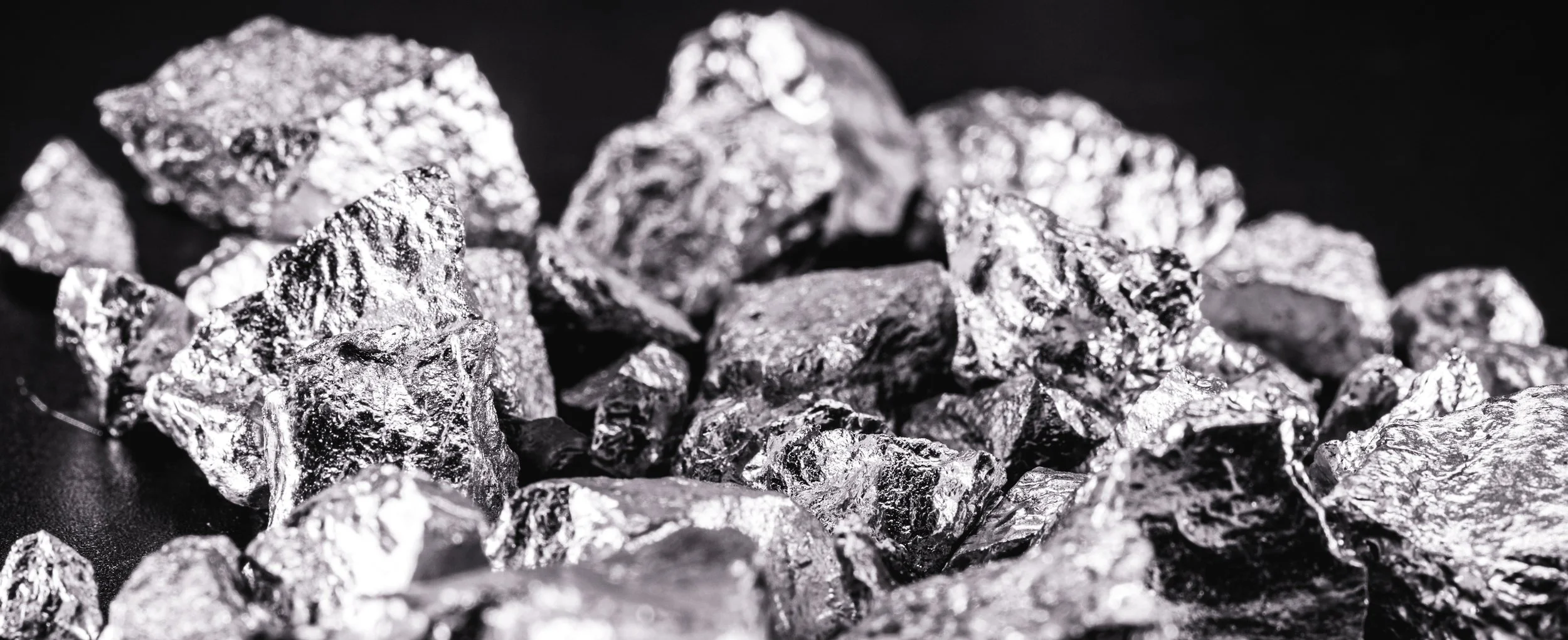
Strategic and Rare Earth Metals
Firebird Optics supplies a growing portfolio of high-purity strategic metals that support the aerospace, defense, semiconductor, infrared optics, and advanced manufacturing industries. Our inventory includes Germanium, Gallium, Indium, Tungsten, Molybdenum, Hafnium, Antimony, and Tellurium, available in a variety of forms including ingots, rods, bars, blanks, and custom-machined components. Whether you require raw material for crystal growth, semiconductor production, optical manufacturing, or research and development, our team can source standard and custom sizes with competitive lead times.
Dysprosium Metal Nuggets
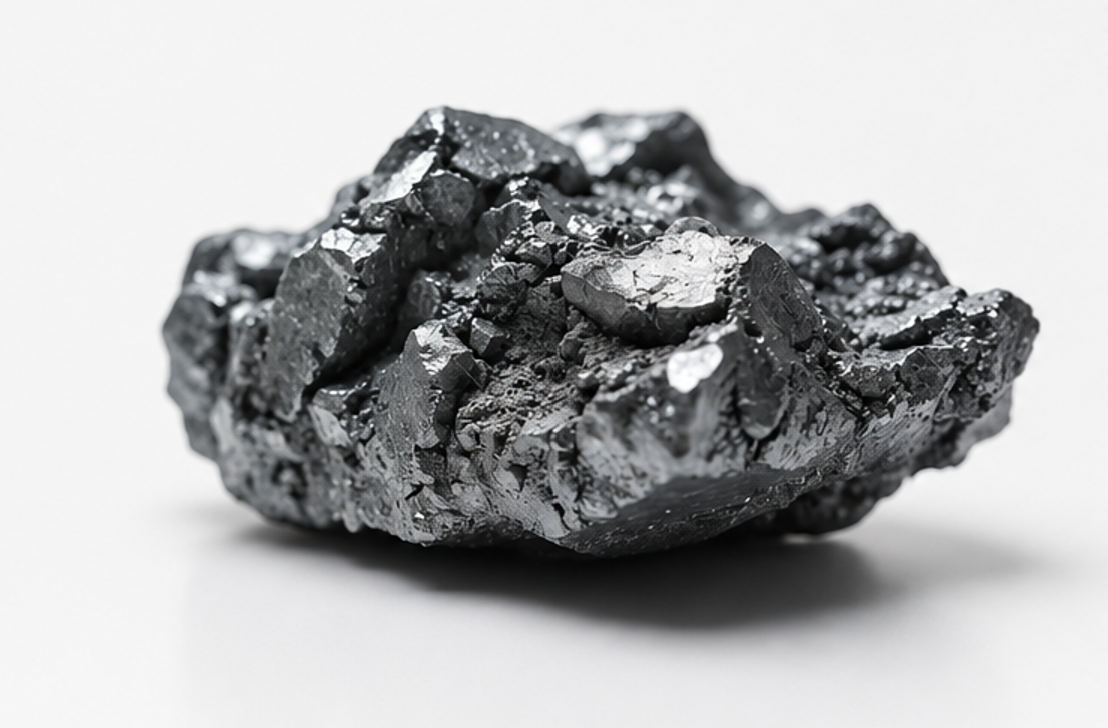
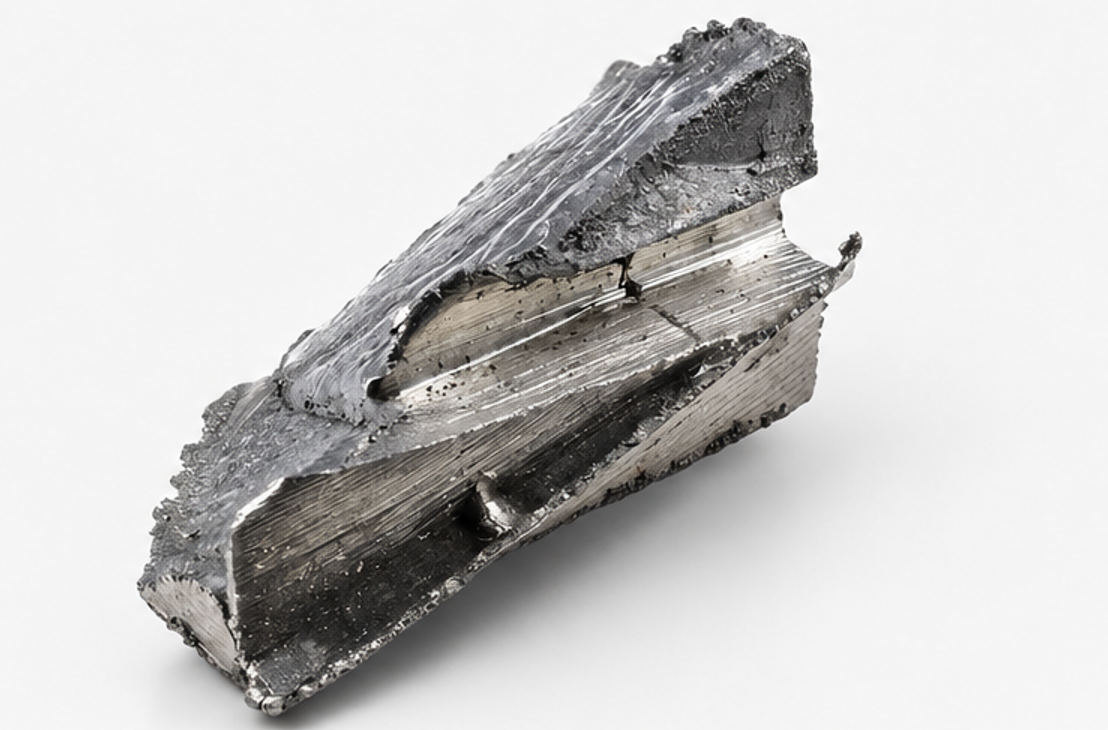
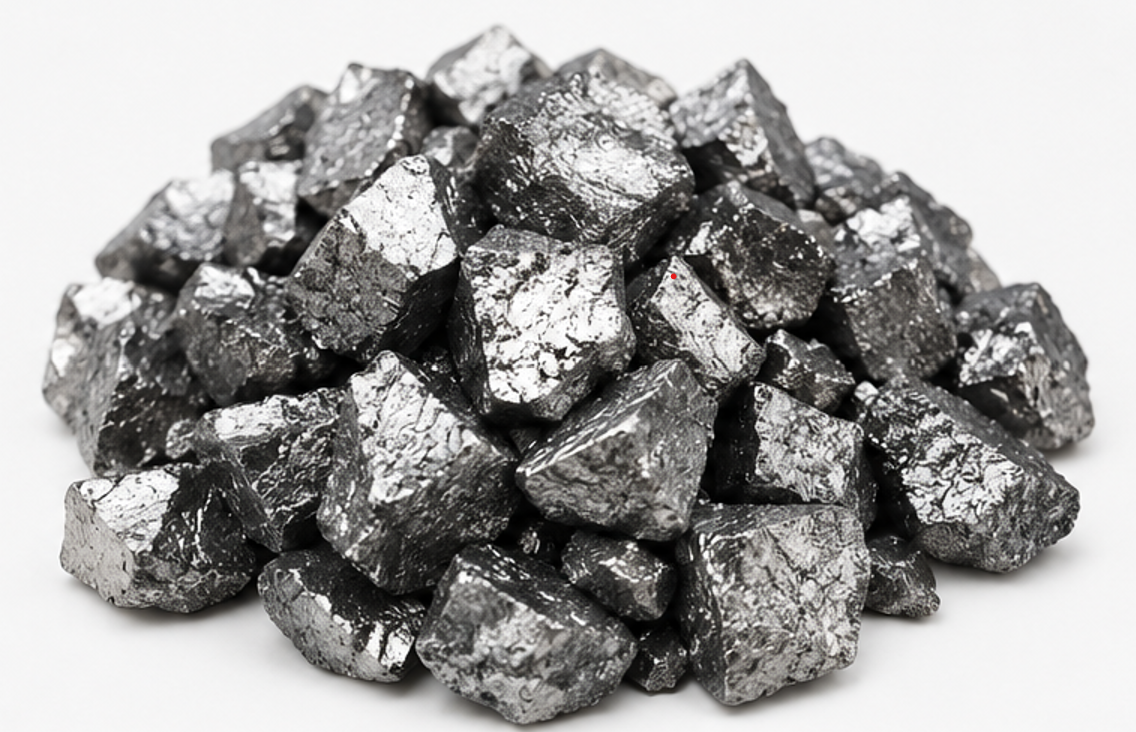
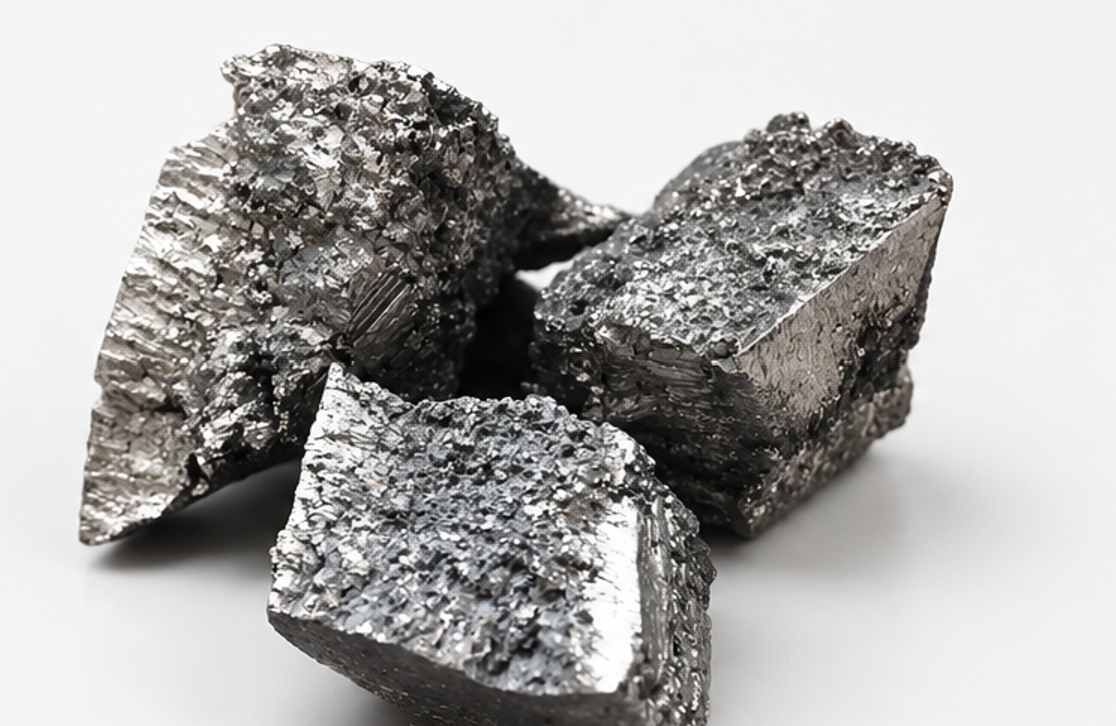
Dysprosium Metal Nuggets
Firebird Optics Dysprosium Metal provides 99.9% pure elemental dysprosium (Dy), atomic number 66, in solid metal pieces for scientific, industrial, research, and advanced materials applications.
This rare earth metal has a density of approximately 8.55 g/cm³, a melting point of 1,412°C, and a boiling point of approximately 2,567°C. Dysprosium is particularly valued for its role in specialty alloys and high-performance permanent magnets, and it can also be alloyed with lead for shielding applications in nuclear reactors. When combined with vanadium and other elements, dysprosium is used in the production of specialized laser materials.
Firebird Optics Dysprosium Metal offers a high-purity source of element 66 for customers working in magnetics, metallurgy, materials development, laser research, and other specialized technical applications.
Dysprosium Metal: Properties, Applications and Uses
Dysprosium is a specialized rare earth metal valued for its strong magnetic characteristics, high density, thermal properties, and usefulness in advanced material systems. Identified by the chemical symbol Dy and atomic number 66, dysprosium belongs to the lanthanide series and is used in applications ranging from permanent magnets and nuclear technology to thin-film coatings, data storage, laser devices, and materials research.
Firebird Optics offers 99.9% pure Dysprosium Metal, providing a high-purity source of element 66 for laboratories, manufacturers, research facilities, and other customers working with rare earth materials.
What Is Dysprosium Metal?
Dysprosium is a silvery-white rare earth metal with an atomic mass of approximately 162.5. It is relatively soft and malleable, while its combination of high density and strong magnetic characteristics makes it particularly interesting for advanced materials and specialty industrial applications.
Unlike common structural metals such as aluminum or steel, dysprosium is generally selected for the functional properties it can provide when incorporated into specialized alloys, magnetic materials, coatings, and other engineered systems.
Properties of Dysprosium
Dysprosium combines useful magnetic behavior with a relatively high density and a melting point above 1,400°C. These characteristics help support its use in applications where magnetic performance, material stability, or specialized rare earth chemistry is required.
These values make dysprosium quite different from conventional engineering metals. Its value is less about being used as a bulk structural material and more about the performance it can bring to carefully engineered materials and components.
Dysprosium and Permanent Magnets
One of the most important applications for dysprosium is permanent magnet technology. AEM identifies permanent magnets as a major application area for dysprosium metal.
Dysprosium is particularly associated with rare earth magnet systems where maintaining magnetic performance under demanding operating conditions is important. This makes the element relevant to manufacturers and researchers developing advanced magnetic materials.
Because dysprosium is generally used as part of an engineered magnetic material rather than as a standalone magnet, high-purity elemental dysprosium can serve as a starting material for alloy development and specialized magnetic research.
Dysprosium in Nuclear Applications
Dysprosium also has applications within nuclear reactor technology. AEM lists nuclear reactors among the primary application areas for the metal.
In these applications, dysprosium's nuclear properties make it useful in specialized materials designed for reactor environments. The element may be incorporated into alloys or compounds rather than used directly as bulk elemental metal.
For researchers investigating nuclear materials, high-purity dysprosium provides a controlled elemental source for material development and testing.
Dysprosium in Data Storage Technology
Another interesting application for dysprosium is data storage. AEM identifies data storage devices as an application area for dysprosium metal.
Modern data storage technologies can depend on materials with carefully controlled magnetic properties. Dysprosium's strong magnetic characteristics make it relevant to research and material systems where magnetic behavior is used to support the storage and manipulation of information.
As storage technologies continue to evolve, rare earth elements such as dysprosium remain important materials for researchers exploring new magnetic and electronic systems.
Dysprosium for Thin-Film Coatings
Dysprosium can also be used in thin-film coating applications. AEM specifically lists thin-film coatings among the uses for dysprosium and offers dysprosium sputtering targets in addition to bulk metal forms.
Thin-film deposition allows manufacturers and researchers to place controlled layers of material onto a substrate. Depending on the process and desired properties, dysprosium-containing films can be investigated for magnetic, electronic, optical, and materials science applications.
This makes dysprosium particularly relevant to laboratories and manufacturers working with advanced coating and deposition technologies.
Dysprosium in Laser Devices
Dysprosium also finds applications in laser technology, with laser devices listed among its primary application areas.
Rare earth elements are important to a variety of specialized optical and photonic materials. Dysprosium can be incorporated into engineered materials where its particular properties contribute to the desired performance of the system.
For laboratories developing new laser materials, high-purity elemental dysprosium can provide a starting material for alloy, compound, and materials research.
Dysprosium in Marine Applications
AEM also identifies the marine industry as an application area for dysprosium.
Within marine technology, rare earth materials can become relevant where specialized magnetic or advanced material systems are required. The source does not specify individual marine components, so the exact role of dysprosium will depend on the engineered material and application.
Dysprosium for Materials Research
Dysprosium's unusual combination of physical, thermal, and magnetic properties makes it a useful material for scientific and industrial research.
Researchers can use high-purity dysprosium when studying rare earth metals, magnetic materials, alloys, thin films, material deposition, and advanced functional materials. Because composition can significantly influence the behavior of an experimental material, starting with a high-purity source helps researchers maintain better control over material formulations.
AEM lists several commercially processed forms of dysprosium, including foil, sheet, plate, rod, bar, wire, sputtering targets, and dysprosium oxide, demonstrating the variety of ways the element can be incorporated into research and manufacturing processes.
How Is Dysprosium Metal Produced?
Producing high-purity dysprosium requires several processing and separation stages because dysprosium occurs naturally alongside other rare earth elements.
AEM describes a production route beginning with rare earth-bearing minerals such as monazite, bastnäsite, and xenotime. The material is concentrated and processed through acid treatment and leaching. Dysprosium is then separated from other rare earth elements through techniques such as solvent extraction or ion exchange.
The purified dysprosium can subsequently be converted into a halide, typically dysprosium fluoride or dysprosium chloride, before undergoing metallothermic reduction. Further purification can include vacuum distillation, sublimation, vacuum melting, or electron-beam melting depending on the required purity.
The complexity of this process helps explain why producing high-purity individual rare earth metals requires considerably more processing than simply extracting an ore from the ground.
Key Applications of Dysprosium Metal
Dysprosium serves several highly specialized markets rather than functioning as a conventional general-purpose metal. Source-supported application areas include:
Permanent magnets
Nuclear reactors
Data storage devices
Thin-film coatings
Marine applications
Laser devices
Rare earth alloy development
Magnetic materials research
Scientific and materials research
The specific form and composition of dysprosium used will vary by application. In many cases, elemental dysprosium serves as a starting material that is subsequently alloyed, deposited, or converted into another engineered material.
Why Use High-Purity Dysprosium Metal?
Purity is particularly important when rare earth metals are being used for research, alloy development, magnetic materials, and other applications where small changes in composition can influence the properties of the finished material.
Firebird Optics Dysprosium Metal features 99.9% purity, providing a concentrated source of elemental Dy for customers who require greater control over material composition.
High-purity dysprosium is particularly well suited for laboratories, universities, industrial research facilities, material developers, and specialty manufacturers working with rare earth metals.
99.9% Dysprosium Metal from Firebird Optics
Firebird Optics Dysprosium Metal provides 99.9% pure Dy, element 66, for scientific, industrial, and advanced materials applications.
With a density of approximately 8.55 g/cm³, a melting point around 1,407°C, and distinctive magnetic characteristics, dysprosium provides a valuable combination of properties for specialized technologies. Its applications span permanent magnets, nuclear technology, data storage, thin-film coatings, laser devices, and advanced materials research.
Whether you're sourcing dysprosium for magnetic material development, alloy research, thin-film processing, laser materials, or laboratory experimentation, Firebird Optics provides high-purity Dysprosium Metal for demanding technical applications.
Contact Firebird Optics for additional information on Dysprosium Metal, available quantities, or assistance sourcing rare earth and specialty metals for your application.